Consumer Corner is BACK in 2025! We’ve updated our platform with new features, making it easier to search content, find you favorite past posts and revisit missed conversations. All content since 2020 remains available, and we’re building on those discussions with fresh insights.
Over the past five years, we’ve explored decision-making, market dynamics (both intentional and unexpected) and the role of data and analytics in driving business choices. In 2025, we’re back to a monthly posting schedule and the same core mission: to challenge how consumer research, human behavior and economics inform decision-making. Lessons can be learned from non-traditional places, such as customer service, social media algorithms, even casinos. What insights can we apply to agribusiness? Let’s keep exploring.
The Consumer Corner series is devoted to understanding of consumers – those ever-fickle decision-makers who are prone to changing preferences. In our unyielding effort to better know our consumers, we frequent unusual places, including history. This month, we explore what the past can teach us about selling, hustling and earning trust.
(If you enjoy this topic, check out Dr. Norwood’s previous Consumer Corner post: “The ‘Truth’ About Gluten” and “We Eat Oysters, so Why Not Crickets?”)
Invention of the price tag
Up until the 1600s, if you went to a store to buy a sack of flour, you had to ask for its price. You can bet that that price varied depending on the customer. Prices weren’t fixed; they required some amount of haggling and negotiation skills of buyer and seller alike.
That changed with the Religious Society of Friends, better known as the Quakers. Emerging during England’s Civil Wars, the Quakers emphasized honesty, integrity and fairness. Believing all humans were equal, Quaker merchants started listing fixed prices for every good they sold. Mothers could confidently send their children to buy eggs or fabric knowing they would be treated fairly.
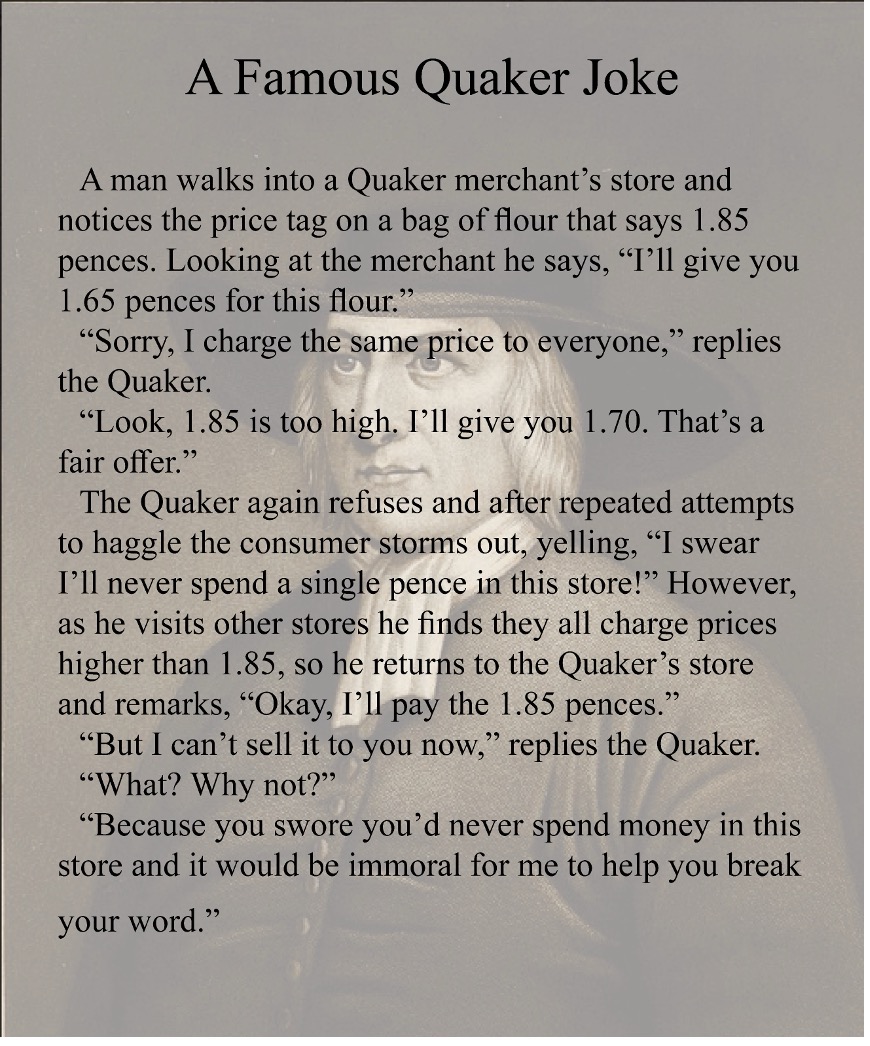 This reputation for fairness became its own form of sales strategy. As a result, Quaker businesses thrived. Their honesty was their hustle. Sometimes being known as a helper is enough to be an effective salesperson. But other times, earning that reputation requires a little hustling.
On the importance of hustling
Great ideas don’t always sell themselves. History is full of good ideas that failed because no one hustled to promote them.
Take Ignaz Semmelweis, the Hungarian physician who discovered that washing hands with chlorine between patients dramatically reduced childbirth deaths. His findings were sound, but his approach was not. Semmelweis was abrasive, blamed doctors for deaths and failed to persuade the medical community. As a result, doctors went back to not washing their hands, and yes, the death rate from childbirth rose again.
If Semmelweis was a hustler, he might have succeeded. He could have found a way to convince hospitals and doctors to wash their hands, framing handwashing as a collective effort against “bad vapors” or even made doctors feel the practice was their own innovation. Being a hustler means getting to really know your consumer and doing whatever it takes – trickery included – to get them to do your bidding.
For salespeople, the same is true: to convince others that we can help them, sometimes we need to hustle first.
Hustling with a halo
Consumers want to buy from helpers, not hustlers. They need to have the halo of a helper.
One of the most pervasive psychological behaviors is the Halo Effect, where we infer one positive trait from another. Attractive people seem more intelligent and trustworthy. Confident people seem more competent. A salesperson who hustles effectively must do so with a halo, appearing, and ultimately proving, to be a helper.
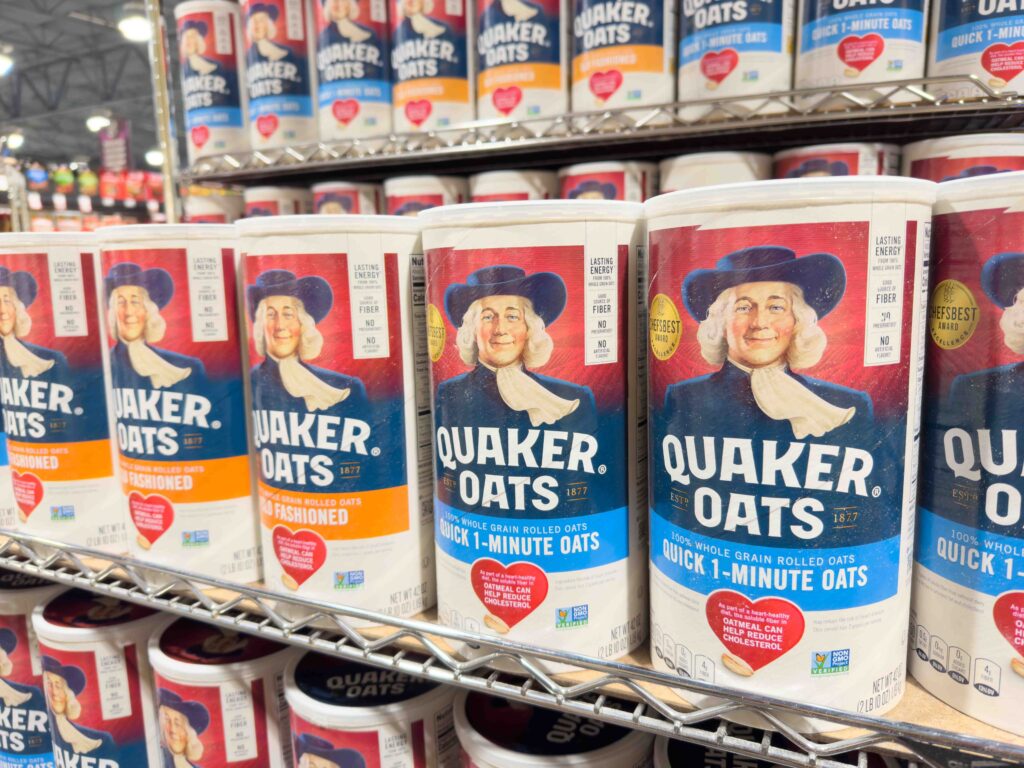
In 1877 Henry Seymour and William Heston started a cereal mill in Ohio. To sell their oats, they borrowed the reputation of the Quakers, who were known for honesty and integrity. Branding their product “Quaker Oats” and putting a plain-dressed Quaker on the label, they created instant trust. It worked. With a slight but forgivable deception, their hustle had a sufficient halo to earn them sales. Nearly 150 years later, Quaker Oats remain a household name.
The ethics of the hustle
So where’s the line? Some could argue Seymour and Heston lied. Yet marketing often lives in the space of “forgivable fictions” – like Santa Claus. The key is whether the product ultimately benefits the consumer. Had the cereal claimed to be owned and made by actual Quakers, that would be a different story. But the halo symbolized something bigger: trust, fairness and quality. And the product has lived up to that promise.