The 2024-26 MS-MBA in Food and Agribusiness Management cohort spent one week in Brazil visiting cooperatives, family businesses and large-scale processors. What they brought home wasn’t a verdict on Brazilian agriculture. It was a sharper lens for the industry they work in every day.
Understanding the global food system requires, at some point, leaving home.
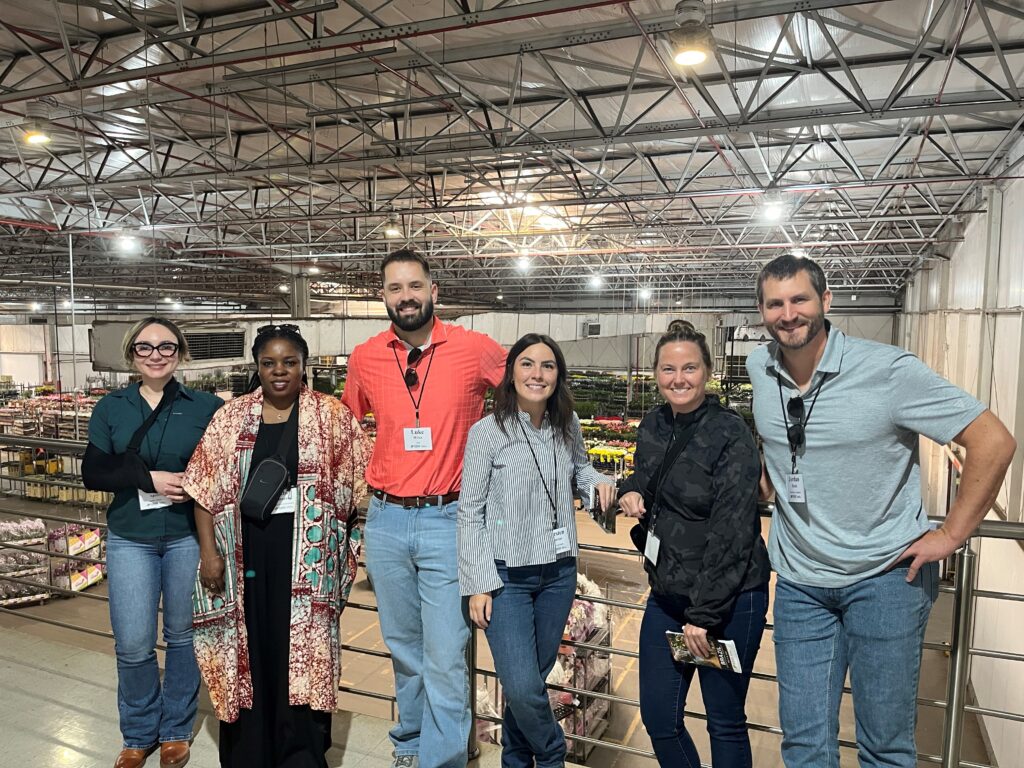
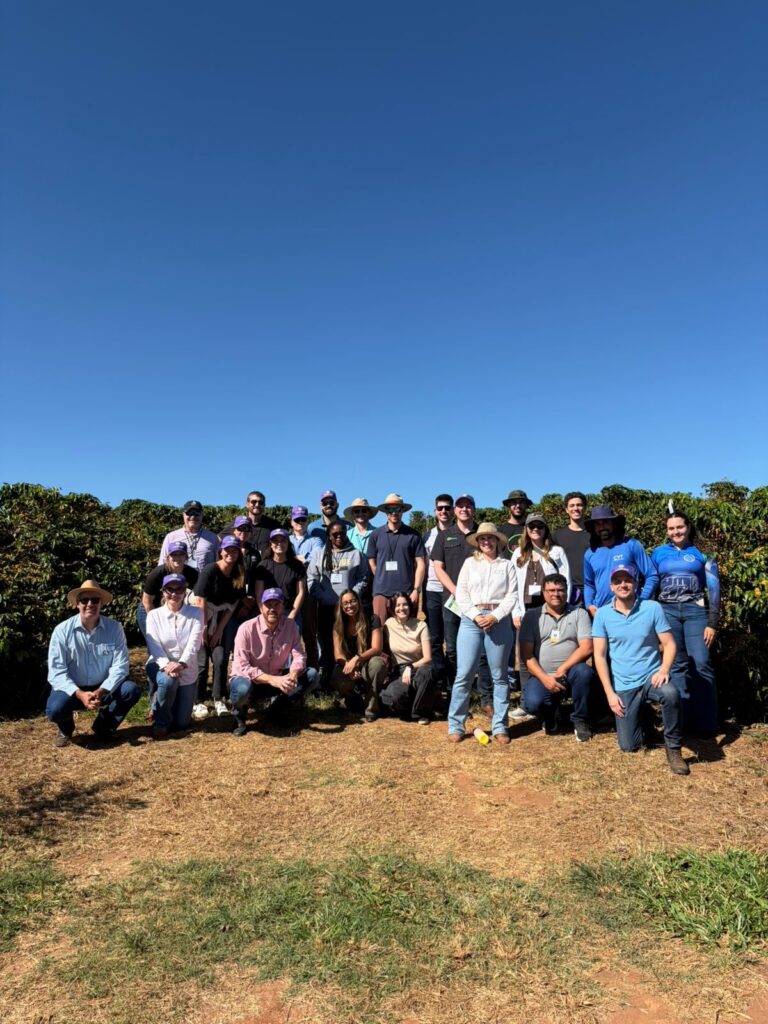
Earlier this month, a cohort of the MS-MBA in Food and Agribusiness Management – a dual-degree program from Purdue University and Indiana University’s Kelly School of Business – traveled to Brazil as part of the program’s international residency. Students encountered a different set of problems being solved in different ways and at different scales.
This is what they saw.
Monday: Price discovery, perishability and the power of integration
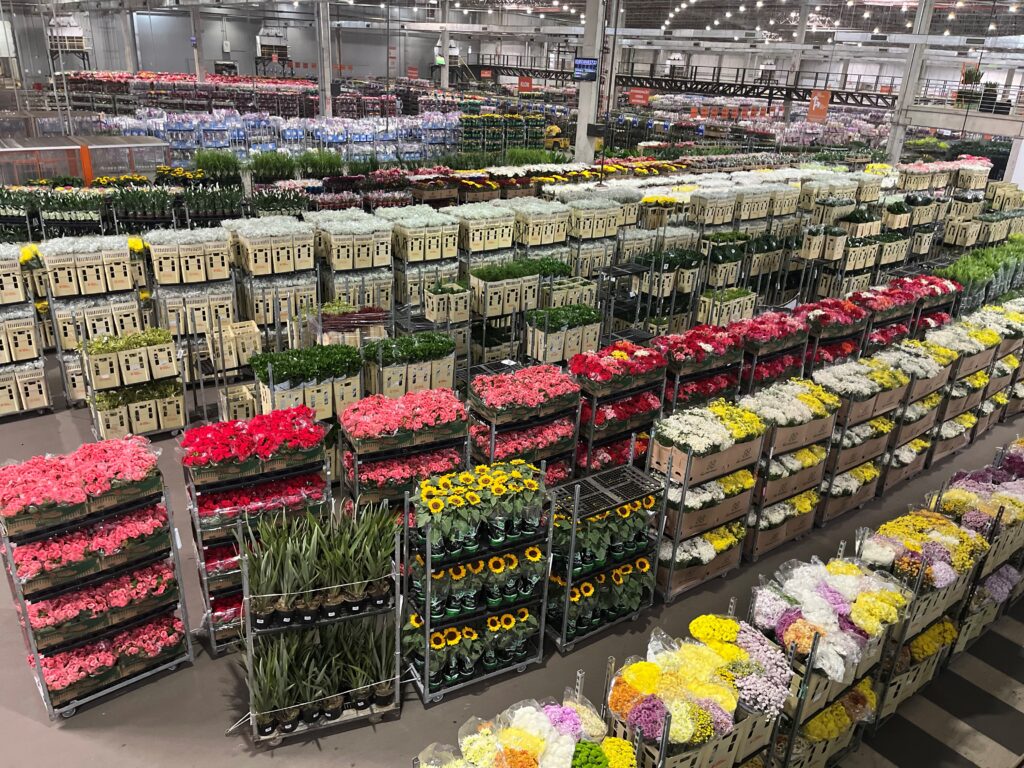
The week opened at Veiling Holambra, a flower cooperative founded by Dutch immigrant farmers that now serves as Brazil’s dominant marketplace for ornamental plants and flowers. Just days before Mother’s Day, students watched one of the busiest periods in the industry unfold in real time. Thousands of highly perishable products moved through the auction floor in seconds, offering a live case study in price discovery, logistics and supply-demand coordination under pressure.
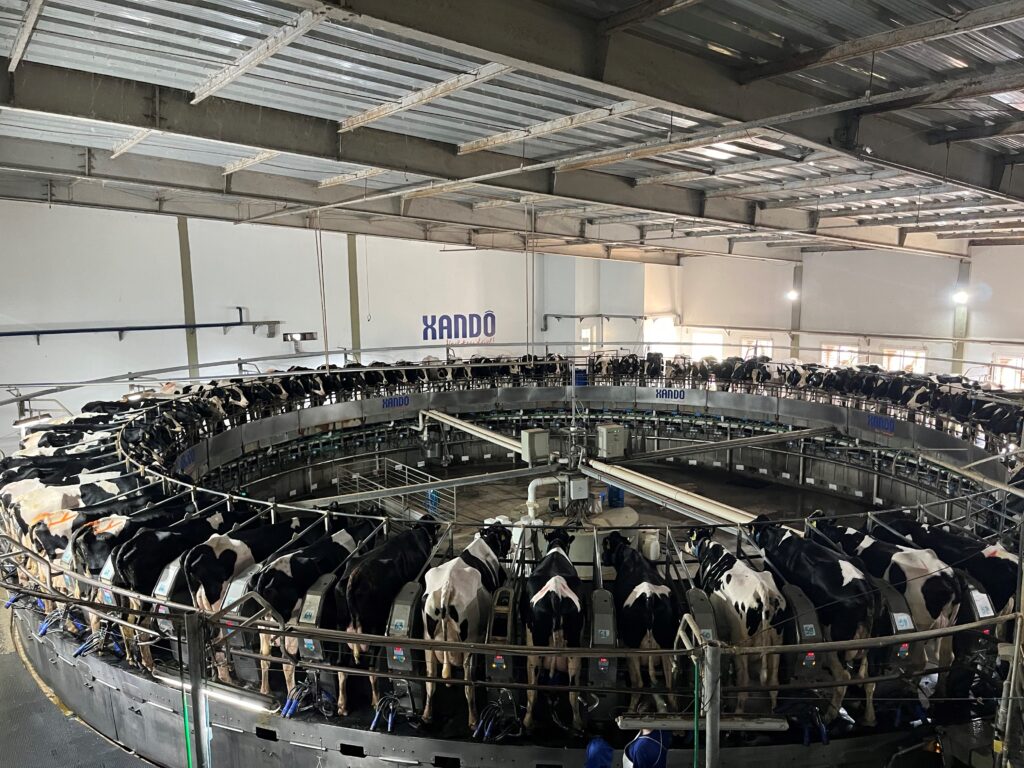
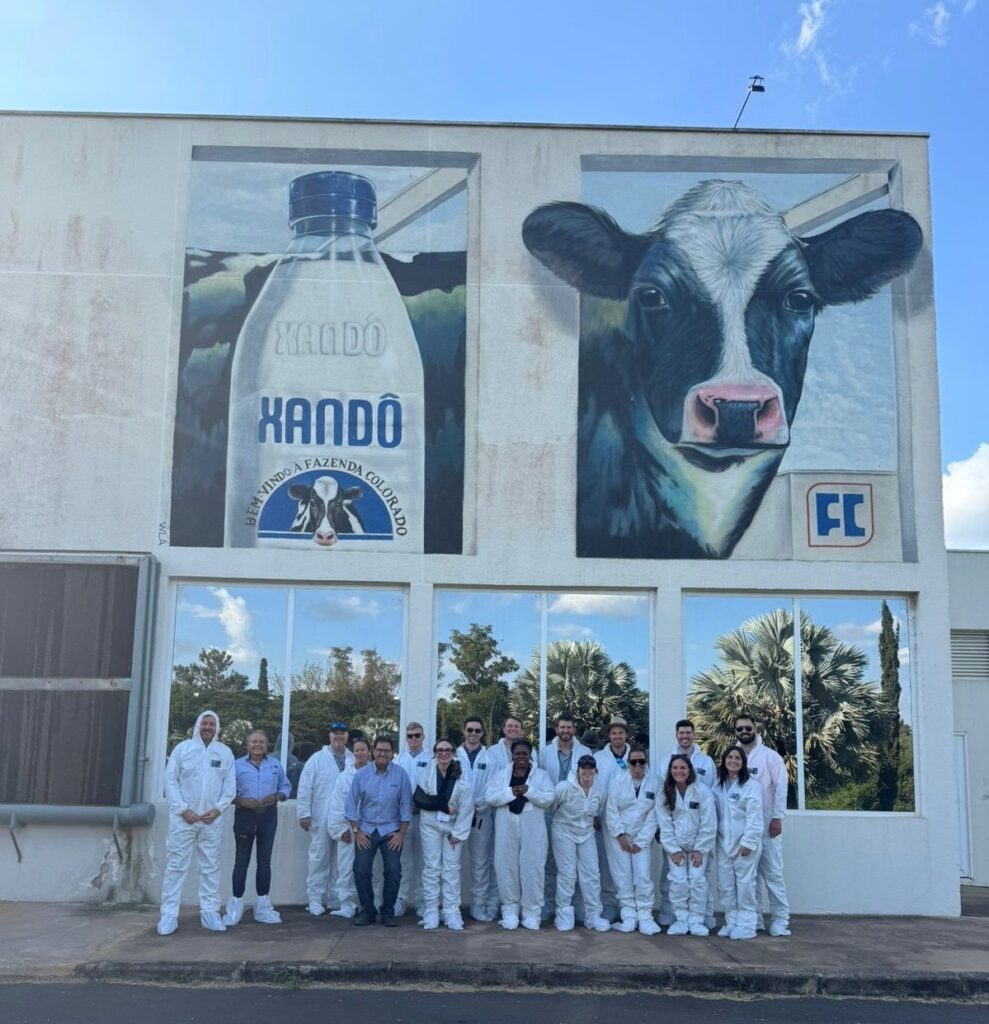
That afternoon, the cohort visited Fazenda Colorado, Brazil’s largest dairy farm and home of the Xandô brand. What began as a family dairy operation evolved into a vertically integrated business with its own processing and consumer brand. The visit highlighted a question many agricultural businesses face: when does it make sense to move beyond commodity production and build direct value with consumers?

Tuesday: Sugarcane, optionality and demand shifts
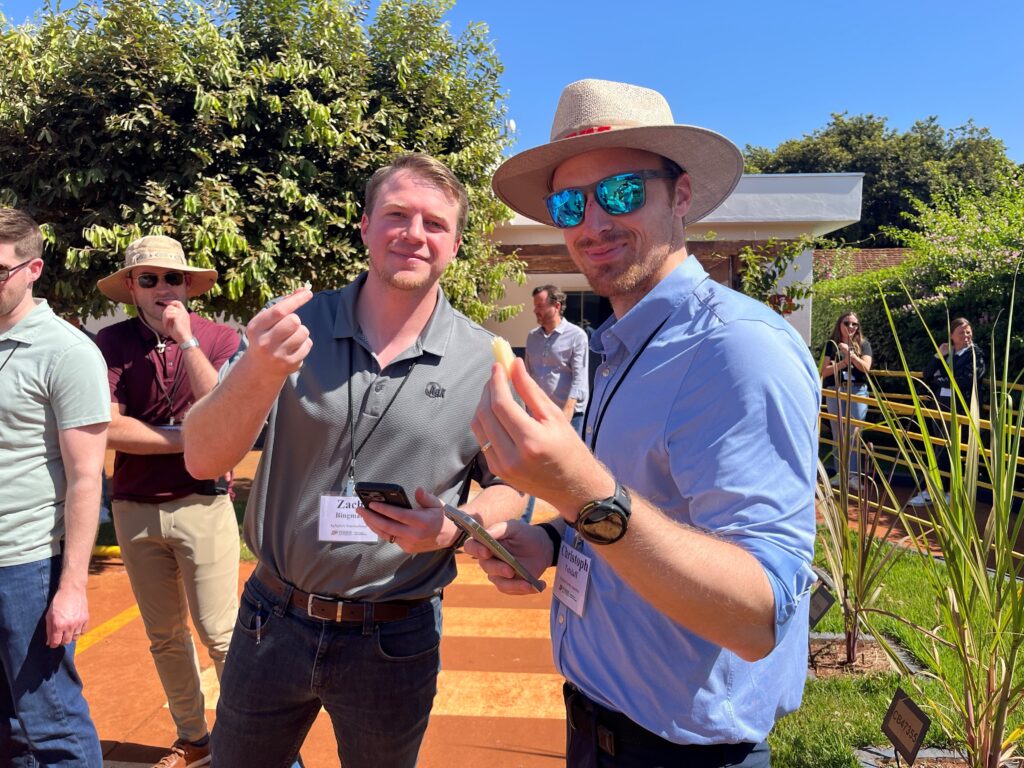
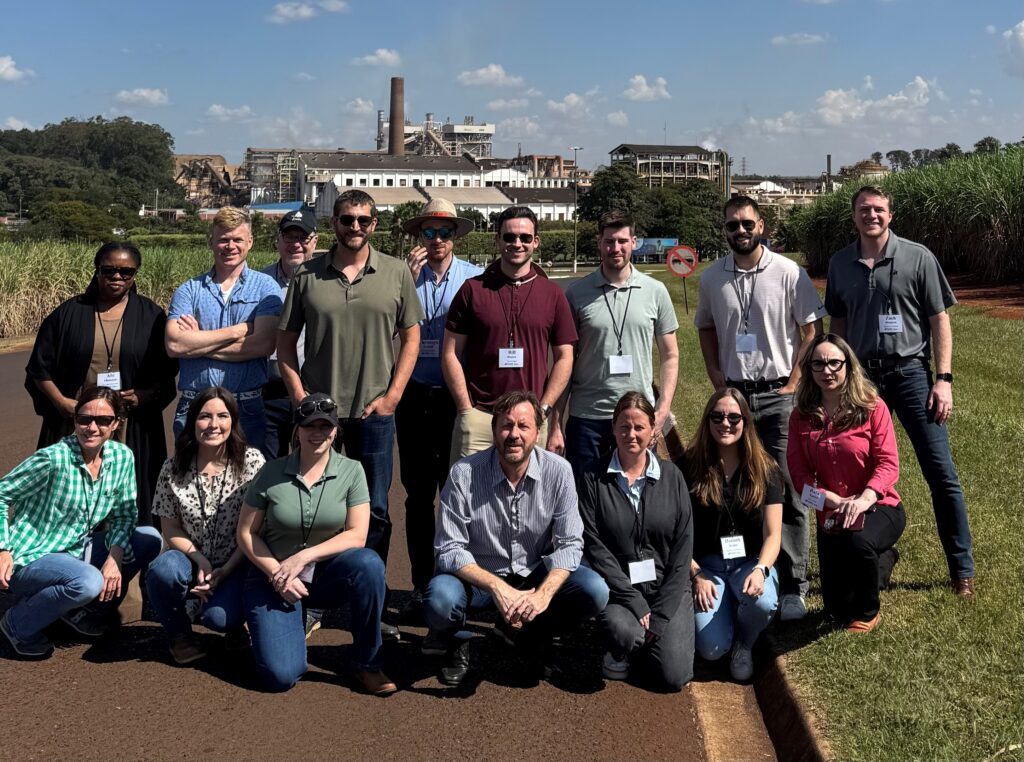
At São Martinho, students saw how one of the world’s largest sugarcane processors manages risk through diversification. From the same crop, the company produces sugar, ethanol and electricity, shifting allocation based on changing market conditions. The lesson here was about how agribusinesses position themselves across multiple revenue streams instead of relying on a single market.
The conversation also extended into the future. Emerging demand for sustainable aviation and shipping fuels is reshaping how companies think about sugarcane’s role in the global energy system.
Later in the day, the cohort met with students and faculty at Harven Agribusiness School, founded by longtime Purdue partner Dr. Marcos Fava Neves. Discussions around sustainability, digital communication and strategic planning reinforced how interconnected the global agribusiness talent pipeline has become. The strategic questions shaping agriculture in Brazil are increasingly the same ones facing businesses in the United States.
Wednesday: Scale, cooperation and global coffee markets
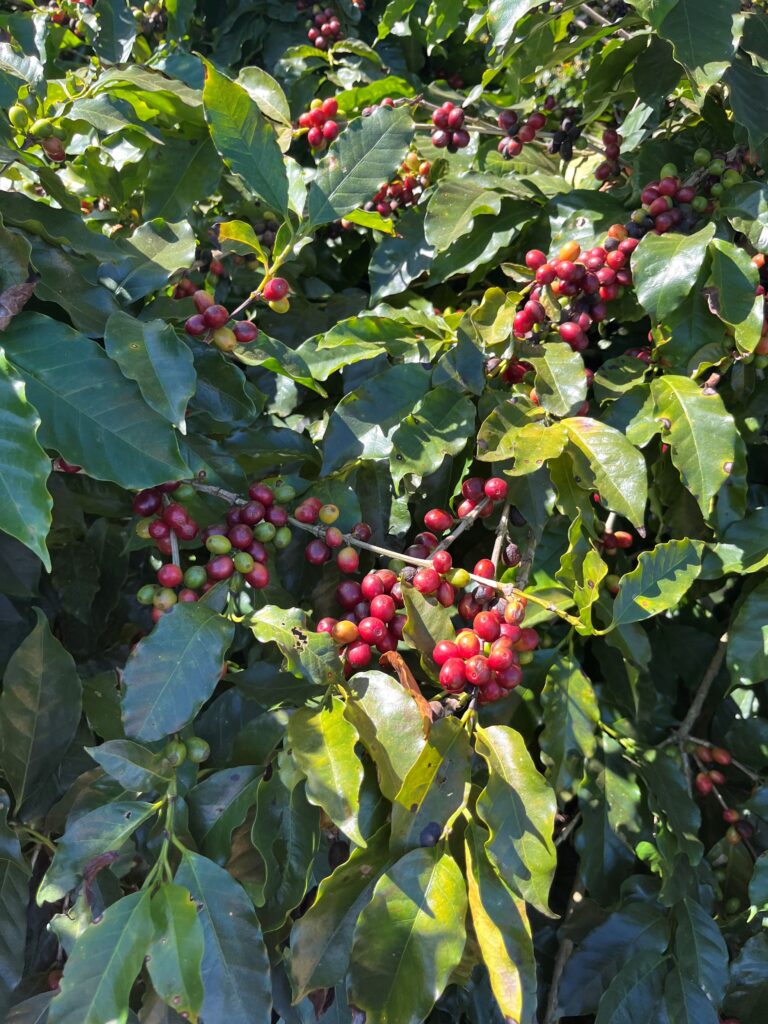
Midweek focused on Cooxupé, the world’s largest coffee cooperative. Representing more than 20,000 members, most of them small family producers, the cooperative connects growers to premium global markets through shared infrastructure, logistics and quality systems.
Students followed the coffee supply chain from storage and preparation to export, but the larger lesson centered on cooperative strategy. As sustainability standards, traceability and certification become more important, cooperatives like Cooxupé help smaller producers compete in ways they could not individually.
The visit demonstrated how scale in agriculture is not always about farm size. Sometimes it comes from coordination.
Thursday: Reinvention across the value chain
Thursday’s visits contrasted two very different cooperative and corporate models.
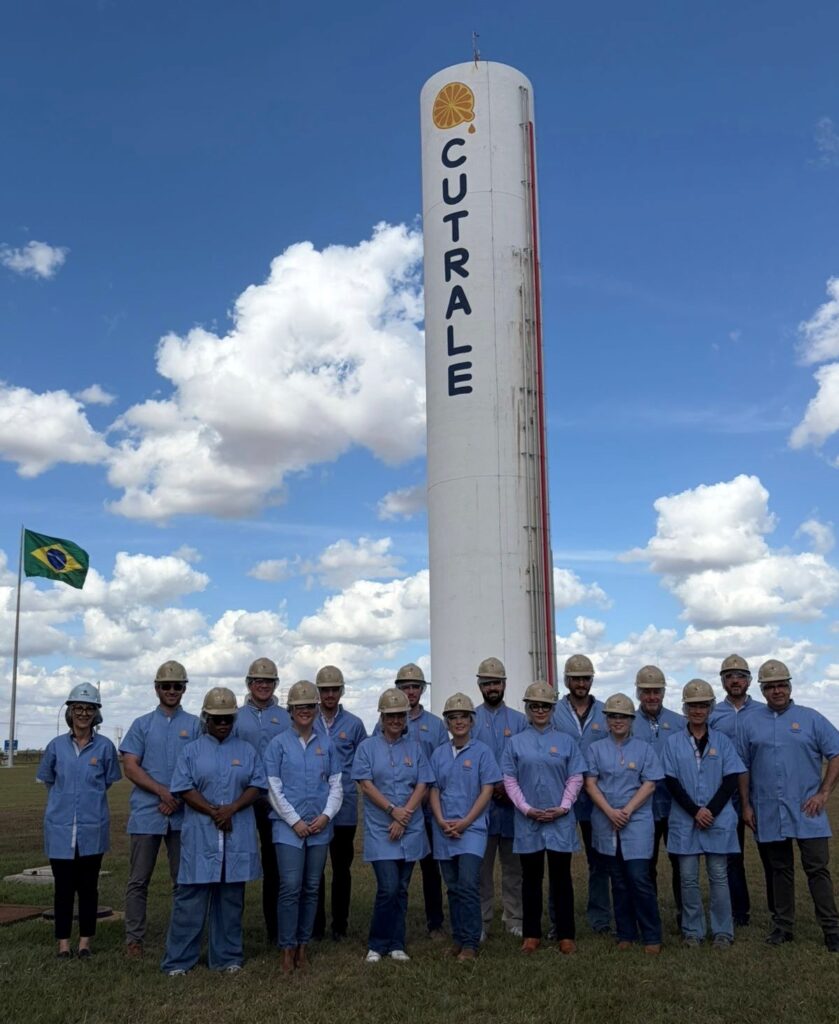
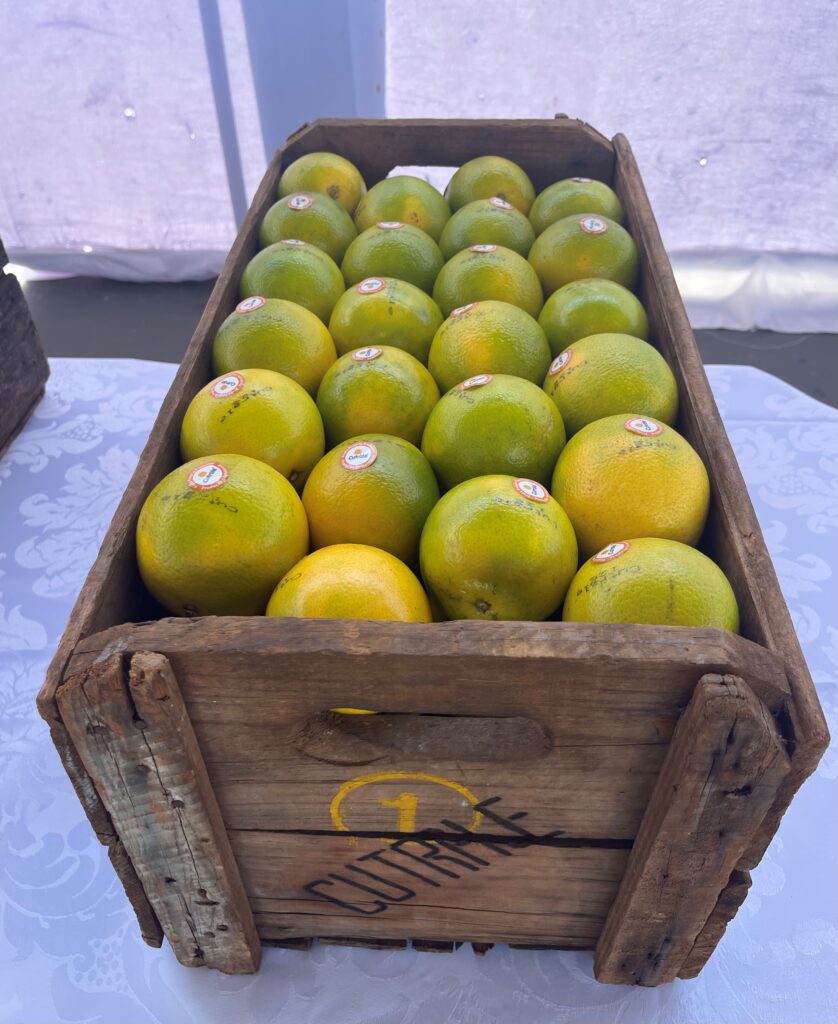
At Cutrale, a family-owned processor of more than 3 million tons of oranges annually, the cohort saw vertical integration at nearly every stage of production – from nurseries and groves to processing, shipping and export infrastructure. But the company is also navigating a difficult reality: global orange juice consumption has been declining for years.
Later, the cohort visited Coopercitrus. Beyond selling inputs, the Brazilian cooperative has expanded into digital agriculture, precision tools and technical services. The discussion centered on how cooperatives compete in modern agribusiness and how relationship-driven service models can strengthen member loyalty.
Friday: Connecting the dots
The week ended with a collaborative exercise where students stepped back to identify the larger patterns shaping the industry: biofuel policy influencing sugar markets, sustainability expectations reshaping export systems, consumer trends driving diversification and digital adoption transforming farm services.
Many of those same pressures are reshaping U.S. agriculture. Seeing them play out in a different market and cultural environment helped students better understand the structural forces influencing their own businesses back home.
What the week was really about
The residency offered exposure to new production systems, business models and supply chains. But its deeper value came from seeing familiar strategic challenges from a different perspective.
Across the week, students encountered recurring themes: vertical integration, cooperative governance, brand development, sustainability pressures and managing uncertainty in global markets. The companies looked different, the scale looked different and the pressures sometimes looked different, but the underlying challenges were remarkably familiar. And by the end of the week, students were looking at their own businesses differently, too.
This international residency is just one component of our MS-MBA in Food and Agribusiness Management, a dual-degree, industry-focused program offered by Purdue University and Indiana University’s Kelley School of Business. In 27 months and with five residencies – including this international experience – participants earn both an MS in agricultural economics from Purdue and an MBA from IU.
The program is primarily delivered through distance learning, with five in-person residencies – including this international experience. The next cohort begins in August 2026, with applications open until July 17, 2026. Joining our MS-MBA program means investing in your future, as well as your company’s future.
Interested in learning more? Click here to explore the program.